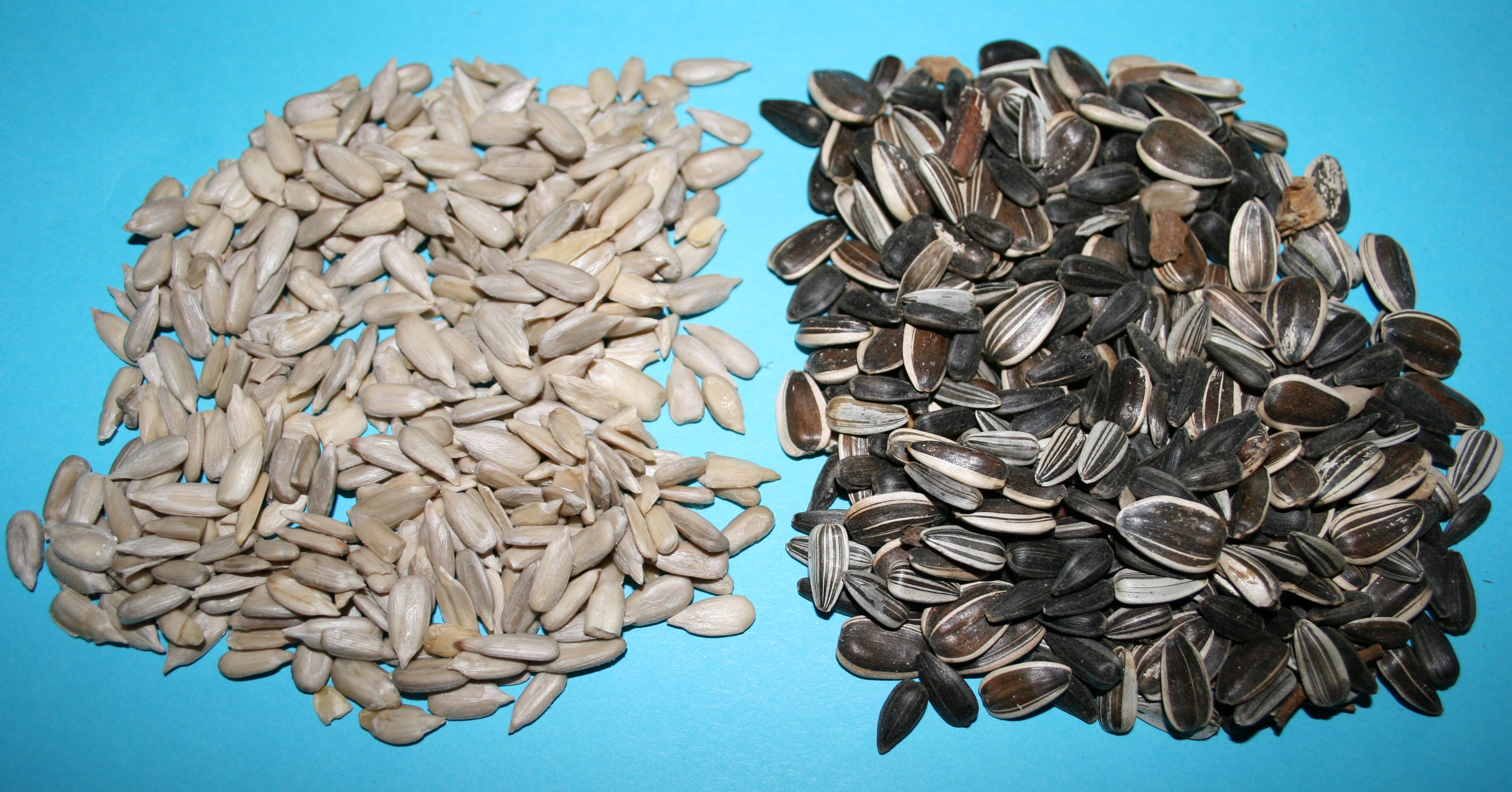
Collecting seeds from garden-grown plants is a straightforward practice when approached methodically. The key variables — timing of harvest, moisture content at storage, and temperature stability — are manageable in most Polish home gardens. This guide covers the practical steps for the most common vegetables, with notes specific to Polish climate conditions.
Why seed selection starts before harvest
The quality of saved seed is determined long before picking. Plants selected for seed should exhibit the characteristics considered desirable: good fruit set, absence of disease, vigour, and typicality for the variety. In a garden context this often means designating specific plants early in the season and not harvesting fruit from them for eating — allowing them to reach full seed maturity.
For cross-pollinating species such as brassicas, corn, and beets, isolation distance matters. In a home garden with neighbours growing similar crops, this can be managed by selecting self-pollinating species first — tomatoes, beans, peppers, and peas cross-pollinate at a much lower rate and are generally more practical for beginning seed savers.
Self-pollinating crops — lower isolation risk
Tomatoes, beans, peas, lettuces, and peppers are predominantly self-fertilising. In home garden conditions, these can generally be saved without strict isolation measures, though some crossing does occur with peppers.
Timing the harvest: when seeds are ready
Seeds reach viability before the fruit reaches eating maturity in some species, but full seed maturity typically coincides with or follows peak fruit ripeness. The following patterns apply to common vegetable crops:
Tomatoes
Seeds are ready when the tomato is fully ripe — often past the point you would eat it. Gel-fermentation is the standard cleaning method: scoop seeds and surrounding gel into a jar with a small amount of water, leave at room temperature for two to four days. The viable seeds sink; floating seeds and the gel layer are discarded. Rinse thoroughly and spread on a non-stick surface to dry.

Young tomato seedlings. Noting germination dates against seed sources helps identify which saved batches performed well.
Beans and peas
Allow pods to dry on the plant as long as the weather permits. In Poland, late August and September can bring rain before the beans are fully dry; in this case, pull entire plants and hang them upside down in a ventilated space. Shell only when pods are brittle and seeds rattle. Beans and peas tolerate this drying-off-plant approach well.
Peppers
Leave peppers on the plant until they reach full colour change — red, yellow, or orange depending on variety. The seeds inside a fully coloured pepper are mature. For sweet peppers, simply scrape seeds from the cut fruit and spread to dry. Hot peppers: wear gloves.
Winter squash and pumpkins
Seeds are mature when the squash has hardened its skin. In Poland, most storage squash (Hokkaido, butternut, Delica) are harvested in late September to October. Seeds can be cleaned at harvest: rinse away the fibrous pulp, lay seeds flat on paper or a screen, and allow to dry in a warm space for at least two weeks before storage.

Cleaned pumpkin seeds on a drying surface. Adequate drying time — at least two weeks — is essential before sealing into storage containers.
Drying seeds correctly
Moisture is the primary cause of seed deterioration in storage. Seeds intended for long-term viability should be dried to low moisture content before being sealed. In practice this means:
- Spreading seeds in a single layer — not piled — on paper, mesh, or a non-stick surface.
- Keeping the drying space warm (20–25°C) and well-ventilated, out of direct sunlight.
- Allowing a minimum of one to three weeks for small seeds (tomatoes, peppers), two to four weeks for larger seeds (beans, squash).
- The crisp test: when a bean can be cleanly snapped and does not bend, moisture content is typically low enough for storage.
Labelling before storage
Labels should be written before the seeds go into envelopes or containers, not afterwards. Useful information on a seed label includes: variety name, species, year of harvest, parent plant notes (if selecting for specific traits), and approximate quantity. Pencil on paper envelopes is more durable than ink when exposed to varying humidity.

An organised seed collection. Clear labelling at harvest prevents confusion when planning the following season.
Storage conditions in Polish homes
Polish homes without climate control experience significant seasonal temperature and humidity variation. Unheated basements typically reach 5–12°C in winter — an acceptable temperature range for seed storage — but humidity fluctuates. Heated rooms are warmer than ideal but generally drier.
The most practical approach for home seed storage in Poland:
- Use sealed glass jars with tight-fitting lids.
- Include a small desiccant packet (silica gel) in each container to absorb residual moisture.
- Store in the coolest stable location available — a cellar or unheated pantry is preferable to a heated bedroom.
- Avoid locations subject to temperature fluctuation: near exterior walls, above radiators, or in uninsulated roof spaces.
Expected viability by crop
Under reasonable storage conditions, viability typically holds for these approximate periods:
- Tomatoes: 4–6 years
- Peppers: 2–4 years
- Beans and peas: 3–5 years
- Squash and cucumbers: 4–6 years
- Onions and leeks: 1–2 years
- Parsnips and parsley: 1–2 years
These figures assume dry seeds stored in sealed containers at stable, cool temperatures. Seeds stored in humid or warm conditions deteriorate faster.
Testing germination before planting
Before the growing season, it is practical to test a sample of stored seeds for germination. Place ten seeds between damp paper towels, seal in a plastic bag, and keep at room temperature. Check after the expected germination period for the species. If fewer than six of ten germinate, the batch should be planted densely or replaced. This test is particularly useful for older stored seeds and for varieties where only a small quantity was saved.
Further reading
The Seed Savers Exchange publishes detailed instructions for individual crops. The COBORU database lists registered varieties available in Poland, useful for identifying what is commercially available versus what may only exist as saved seed.