
A garden journal only has value if it can be consulted in the following season. Many gardeners start one enthusiastically in spring and abandon it by July. The problem is rarely motivation — it is usually format. Notes that are too vague, too narrative, or scattered across different notebooks and photos become impossible to use retroactively. This article describes a practical approach: what to record, how often, and in what structure.
The core purpose of a garden journal
A useful journal answers specific questions when consulted the following year:
- What was planted where, and when did it germinate?
- Which varieties performed well and which did not?
- When did specific problems appear — blight, aphids, slug pressure?
- What soil amendments were added and where?
- What was harvested and approximately how much?
- When were the first and last frosts observed in this specific location?
A journal that does not answer these questions is a diary. A diary has a different purpose — it is not a planning document. For practical garden management, the distinction matters.
What to record: a working list
Planting records
For each planting event, note: date, species, variety name and seed source, bed or location identifier, and sowing depth or transplant details. This takes less than a minute per entry if you have a consistent format.
Example planting record format
Date: 12 April 2026 | Crop: Tomato | Variety: Malinowy Ożarowski | Source: saved 2025 | Location: Bed 3 south | Method: transplant, 50cm spacing
Germination and establishment dates
The gap between sowing and first germination, and between germination and transplant readiness, is useful data for timing the following year. Polish spring can arrive unpredictably — the difference between a warm March and a late one can shift indoor sowing windows by two to three weeks.
Pest and disease observations
Note the date, the crop affected, the type of problem (if identified), and the location. Over multiple years this data reveals patterns: if late blight arrives in the same week each year, or if a particular bed always develops slug pressure, the journal makes this visible.
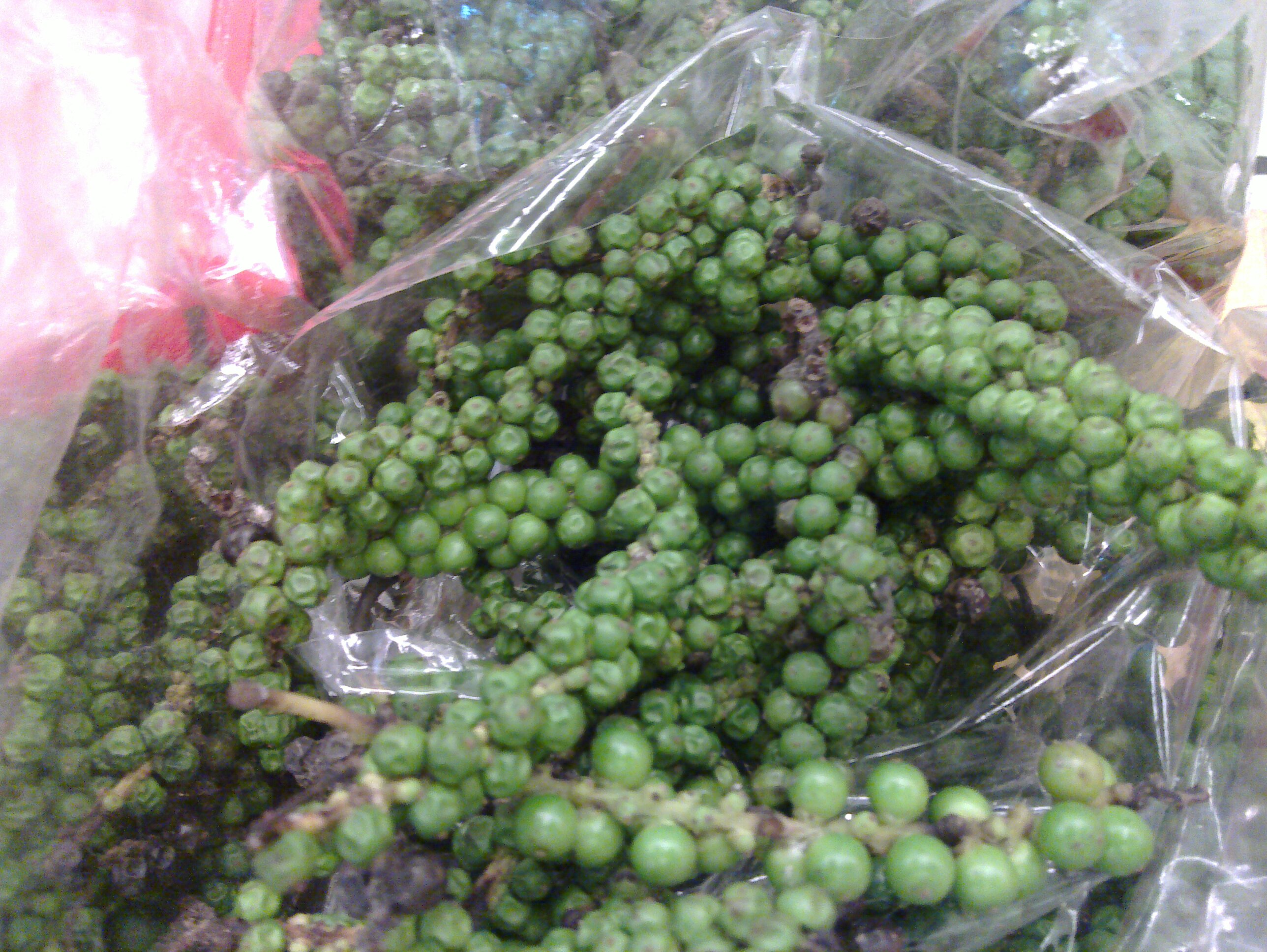
Pepper seeds after cleaning. Recording which variety produced these and what the fruit quality was like provides a basis for selection in future seasons.
Weather observations
A garden journal does not need to duplicate a weather station. But noting unusual events is valuable: unexpected late frost dates, prolonged dry spells, heavy rainfall causing waterlogging, and the date of first autumn frost. In Poland, the last frost date varies by region and by micro-location within a garden — a low-lying bed or north-facing wall experiences frost differently from an elevated, south-facing position.
Harvest records
Recording what was harvested, in approximate quantity, from each bed or plant gives a yield picture over time. It does not require precision weighing — a rough assessment ("good yield", "poor yield", "2kg from 6 plants") is sufficient to detect trends across seasons.
Soil amendments
Noting where compost, manure, lime, or other amendments were applied is particularly important for crop rotation planning. A sketch of bed layout with amendment notes is more useful than a written description.
Formats that hold up over time
The medium matters less than the structure. Paper, digital spreadsheets, and dedicated garden apps all work if the format is consistent. The main failure points are:
- Free-form narrative entries that require reading to extract data. A table or structured entry form is faster to scan in future seasons.
- Single chronological format without spatial reference. Garden beds are fixed — records tied to a bed identifier (not just a date) allow you to track what happened in a specific location across years.
- Digital notes without backup. Photos on a phone are lost when the phone is replaced. If using digital records, export annually.
A simple paper format
For a paper-based journal, a dedicated section per bed (or per crop) works better than a purely chronological diary. Within each section, entries are dated. This allows you to open to "Bed 2" and read the complete history without searching through months of daily notes.
Spreadsheet structure
A simple spreadsheet with columns for: Date, Bed/Location, Crop, Variety, Action (sow / transplant / feed / observe / harvest), and Notes accommodates most garden records. One row per event. This structure sorts and filters well — you can see all tomato entries across three years, or all events in Bed 3 during one season.
Frequency of entries
Daily journaling is unsustainable for most gardeners. A more manageable approach:
- At each garden visit: any sowing, transplanting, or feeding actions recorded immediately.
- Weekly: a brief observation pass — anything notable in terms of growth, pest activity, or weather.
- Monthly: a summary of the state of each bed, what is producing, and what needs attention.
- End of season: a retrospective entry for each crop or bed — what worked, what failed, what would be changed.
The end-of-season retrospective is the most useful single entry of the year. Written in October or November while the season is still recent, it becomes the primary reference when planning the following March.
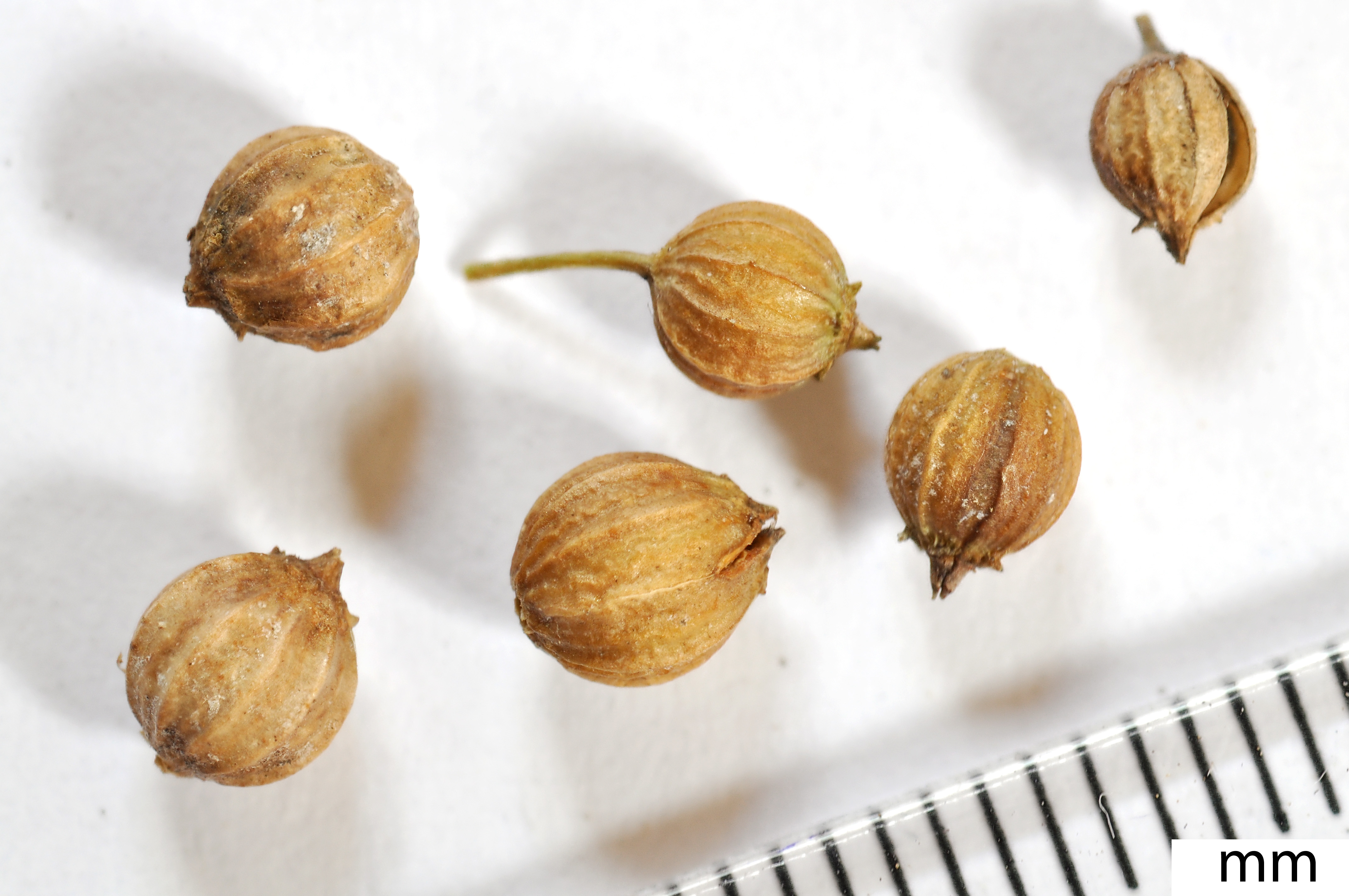
Coriander sets seed readily and runs to flower quickly in warm conditions. Noting this observation helps time sowing to avoid premature bolting in subsequent seasons.
Integrating the journal with seed records
A garden journal and a seed storage record are most useful when linked. The journal entry for a planting event references the seed source; the seed storage record references where the seeds were grown. When you open a seed envelope three years after saving it, the journal tells you what that variety produced when it was grown.
For saved seeds especially, this cross-referencing makes the difference between a collection that builds knowledge and one that accumulates unlabelled envelopes of uncertain provenance.
Polish heritage varieties and documentation
The Koalicja Żywe Nasiona maintains a registry of Polish heritage varieties and facilitates seed exchange among growers. Documenting variety performance in your specific location contributes to the broader knowledge base for these varieties.